High-Quality Water Line Repair in Lawrenceville
Becoming Proficient in Plumbing: Must-Know Water Line Repair Pointers for Every Homeowner
Understanding plumbing is a essential skill for homeowners. It gives the ability to handle common water line problems effectively. Acquaintance with essential tools and basic repair techniques can conserve time and money. However, even the most competent DIY enthusiast can face obstacles. Understanding when to address a problem and when to seek professional help is critical. The journey to becoming proficient in plumbing repairs commences with recognizing potential pitfalls and learning how to navigate them.
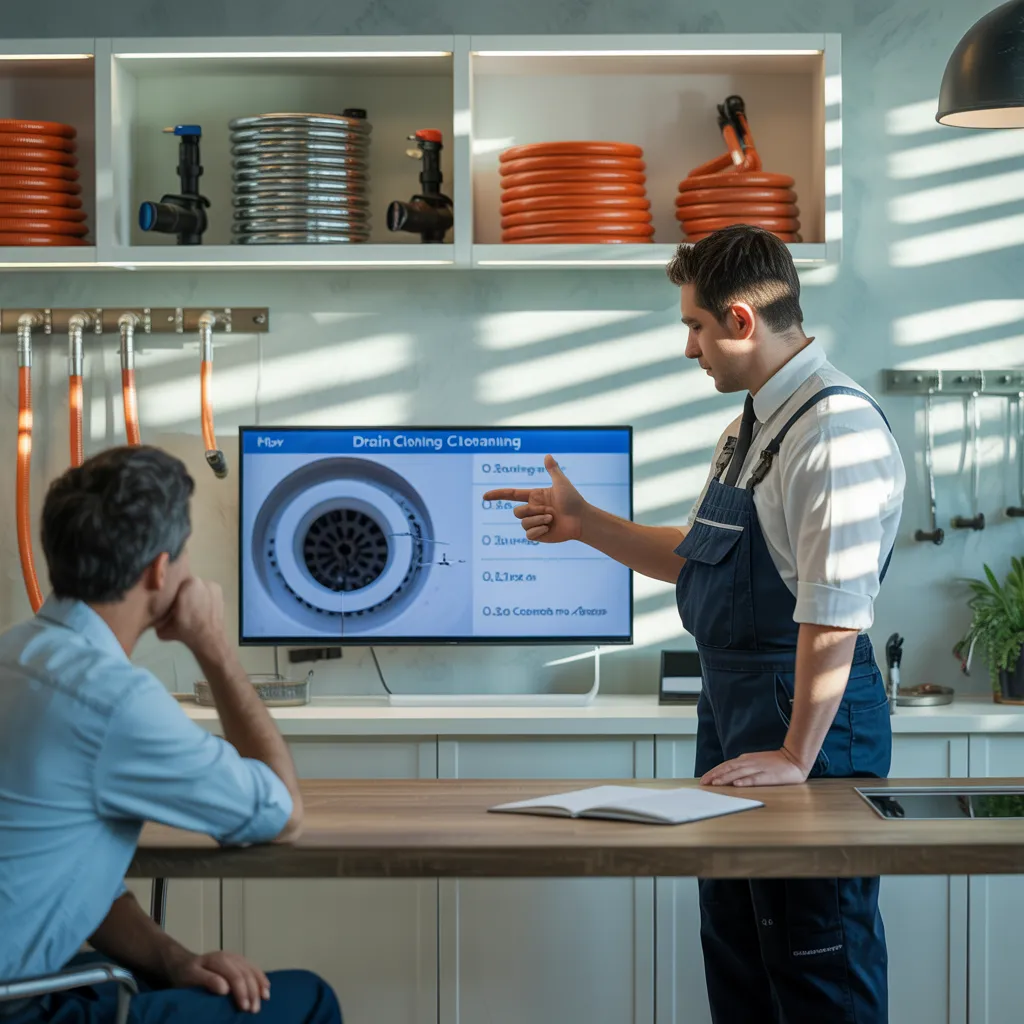
Grasping Typical Water Line Problems
When homeowners encounter problems with their water lines, they often face a spectrum of standard difficulties that can disrupt daily routines. Leaking remains the most frequent problem, appearing as water stains, moisture, or reduced water pressure. These leaks may stem from degraded pipe systems, unstable fixtures, or damaged seals. Another frequent issue is blockages, originating from scale accumulation, debris, or tree roots invading the lines. Such obstructions can lead to sluggish water flow or total blockage, demanding prompt action. Homeowners may also experience varying water heat levels, often linked to malfunctioning water heaters or insufficient insulation. In addition, unusual noises—like banging or gurgling—can indicate captured air in the network or difficulties with water passage. Acknowledging these frequent water line concerns enables property owners to handle them quickly, decreasing interruption and stopping greater deterioration. Understanding these problems is relevant information essential for maintaining a effective and stable piping system.
Important Equipment for Water Line Restoration
While handling water line repairs, possessing the right tools is crucial for success. Basic plumbing tools, including wrenches and pipe cutters, create the foundation of any repair kit. Additionally, safety equipment including gloves and goggles offers protection while working on potentially hazardous tasks.
Basic Plumbing Tools You Need
A properly stocked toolkit is vital for anyone handling water line repairs, as the proper tools can make the process more effective and seamless. Important implements include a pipe wrench, which offers a firm hold for securing or releasing pipes. A set of adjustable wrenches is also crucial for different fixtures and joints. Plumbers' tape provides a watertight seal, while a hacksaw is required for slicing pipes to size. Furthermore, a pipe cutter delivers a clean cut for a professional finish. Having a basin wrench can help access confined spaces, and a plunger is essential for removing clogs. To round things out, a dependable flashlight is essential for lighting dark areas during repairs. Collectively, these tools permit homeowners to handle water line issues confidently.
Critical Safety Equipment
Having the right safety gear is just as crucial as having the correct tools for water line repairs. Homeowners should prioritize personal protection to guarantee a safe repair process. Essential safety equipment includes gloves, which shield hands from sharp objects and hazardous materials, and safety goggles to shield eyes from debris and water splashes. Additionally, a reliable pair of knee pads can provide comfort while working on floors or in confined spaces. A hard hat may also be needed if working in areas susceptible to overhead hazards. Finally, non-slip footwear is critical for maintaining balance on wet surfaces. By purchasing quality safety gear, homeowners can reduce risks and focus on successful water line repairs.
Comprehensive Step-by-Step Guide for Leak Fixes
In the process of fixing leaks, the first essential step is to determine the source of the problem. Once the leak is found, numerous repair procedures can be utilized to properly address the issue. Understanding these strategies secures a successful resolution and forestalls future complications.
Detect the Leak Source
How does one successfully locate the source of a leak in plumbing? To begin, homeowners should carefully examine areas where water is apparent, such as under sinks and around appliances. They should search for signs of moisture, water stains, or mold growth. Next, listening for dripping sounds can help locate hidden leaks, especially in walls or ceilings. Utilizing a moisture meter can deliver precise readings, confirming the presence of water where it shouldn't be. Moreover, checking the water meter for unexpected activity while no water is in use can suggest a leak. In the end, if the source remains elusive, reaching out to a professional plumber for a thorough assessment may be required, ensuring the leak is correctly located and fixed promptly.
Overview of Repair Methods
After the source of a leak has been found, the following step requires implementing proper repair techniques. Homeowners should initially turn off the water supply to stop further damage. For minor leaks, applying a waterproof tape or sealant can provide a short-term repair. If dealing with a pipe, cutting out the damaged section and replacing it with a fresh section using couplings is often necessary. For more significant issues, applying soldering techniques or employing a coupling connector may be necessary. After repairs, it is crucial to restore the water supply gradually and check for any remaining leaks. Lastly, homeowners should observe the repaired area over the subsequent days to confirm the fix holds and no additional problems occur.
How to Fix Clogged Water Lines
Blocked water lines can interfere with daily routines and cause more significant plumbing issues if not dealt with promptly. Homeowners can take several practical measures to clear these blockages. First, using a plunger can help remove minor clogs. It is vital to create a tight seal and use swift, forceful thrusts to build pressure. For more difficult clogs, a plumber's snake can be used to reach deeper blockages and break them apart.
Another option is chemical drain cleaners; though, they should be employed carefully due to possible damage to pipes. A homemade solution of baking soda and vinegar may also aid in breaking down organic material. If these methods are ineffective, it may be necessary to contact a plumbing professional. Identifying the cause of the clog is critical to secure effective removal and prevent future issues, making it necessary for homeowners to remain vigilant about their plumbing systems.
Prevention Strategies to Eliminate Future Troubles
To avoid future plumbing issues, homeowners should implement a proactive approach to their plumbing systems. Regular maintenance is vital; this includes inspecting for leaks, examining water pressure, and ensuring proper drainage. Homeowners should also be vigilant about their plumbing fixtures, replacing deteriorated parts immediately to avoid more significant issues down the line.
Employing drain screens can efficiently prevent debris collection, while consistent cleaning of drains will help maintain a clear water flow. Moreover, homeowners should be mindful of what goes down their sinks and toilets, steering clear of flushing non-biodegradable items and harsh chemicals that can deteriorate pipes.
Seasonal maintenance checks enable early identification of potential issues, most importantly before cold weather when pipe freezing becomes a concern. Additionally, installing water softeners may reduce mineral buildup, enhancing the durability of plumbing systems. Through implementing these proactive steps, residents can substantially decrease the chances of high-cost repairs down the line.
When to Contact a Professional Plumber
What indicators suggest that a homeowner needs to contact a professional plumber? Multiple factors indicate when professional intervention is required. To begin with, ongoing leaks or drips that remain unresolved after simple fixes typically need professional attention. Secondly, significant water pressure variations or abrupt decreases can indicate hidden problems requiring professional assessment. Thirdly, homeowners need to stay cautious of sewage backups or abnormal smells, as they can signify major plumbing troubles that threaten health and safety. Furthermore, when a homeowner doesn't possess the necessary equipment or expertise to handle a repair, contacting a professional can conserve time and avoid additional harm. In conclusion, any plumbing undertaking that includes significant renovations or adjustments should be assigned to licensed plumbers to verify compliance with local standards and codes. Acknowledging these warning signs allows homeowners to make well-informed decisions concerning when to pursue professional plumbing services.
Popular Questions
What's the Best Way to Find a Hidden Water Leak?
To find a hidden water leak, homeowners should check water meter readings, listen for uncommon sounds, check for damp spots or mold, and inspect walls and ceilings for water stains, suggesting possible leak locations.
How Can You Tell If Your Water Line Is Failing?
Signs of a damaged water line include stained water, unexpected water bills, moist or muddy spots in the yard, lower water pressure, and the presence of fungus throughout the home. Timely attention is needed.
Do DIY Methods for Frozen Water Plumbing Lines?
Yes, DIY methods for frozen water lines include employing a hairdryer or heat lamp to carefully warm the impacted area, wrapping pipes in towels saturated in hot water, or applying heating tape specifically designed for pipes.
How Do I Find My Main Water Shut-Off Valve?
To find the main water shut-off valve, you should look near the water meter, commonly situated in basements, crawl spaces, or outside along the exterior boundary of the home, providing easy access for emergencies.
What's the Typical Price of Professional Water Line Repair?
The average cost of professional water line repair usually ranges from $500 to $2,500, depending on factors such as damage severity, labor costs, and location. Homeowners should obtain multiple estimates for precise budget planning.